Ask better ingredient questions at a busy counter
Work out which component you need to ask about before you reach the front of the lunch line.
Start with the actual dish
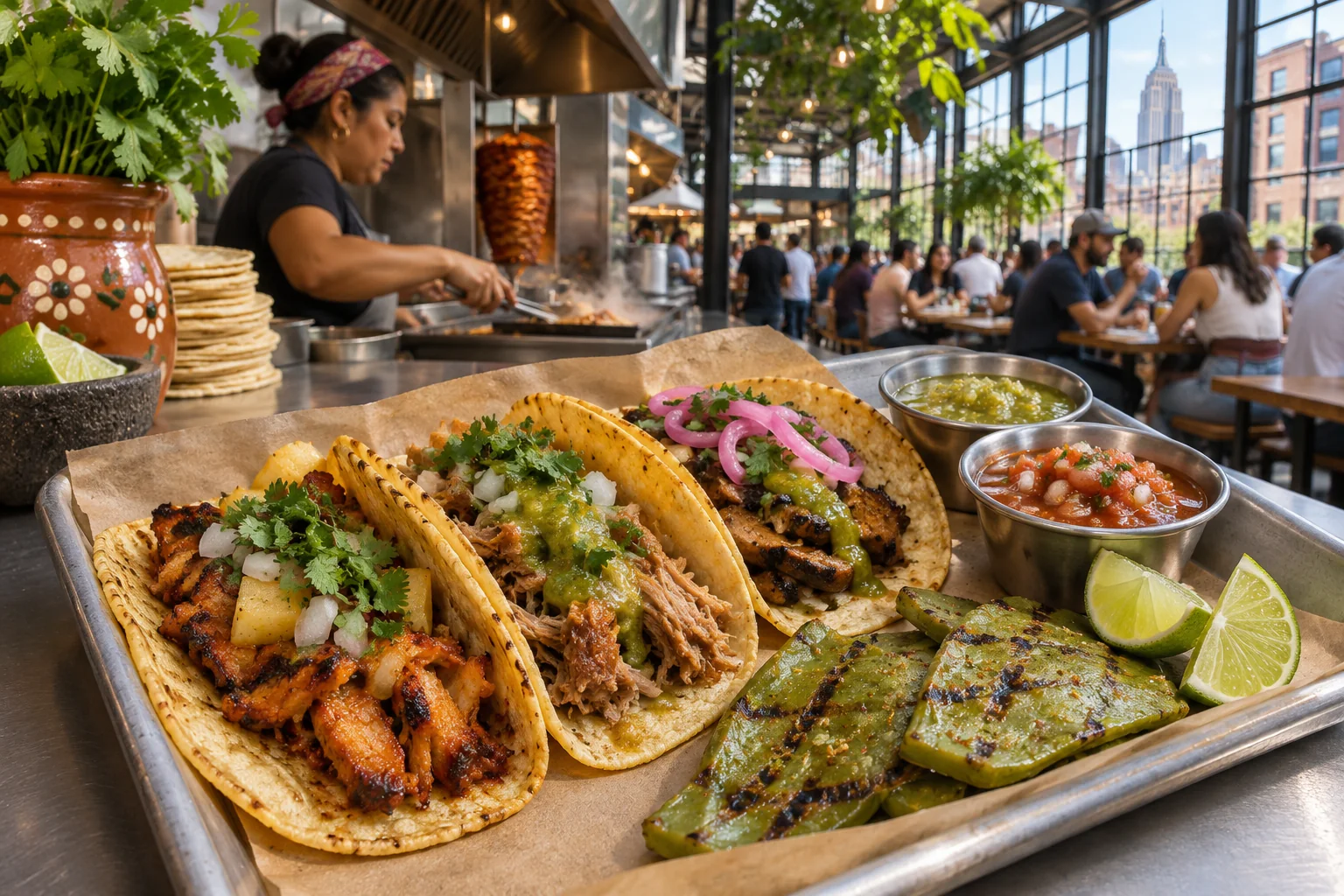
A taco has more components than its name suggests. Choosing a grilled cactus filling tells you something about the centre of the taco. The tortilla, beans, garnishes and sauces can each have their own ingredient list. The menu at Los Tacos No. 1 is a useful example because it identifies the use of pork lard in the flour tortillas and beans. That is information a diner could easily miss by reading only the names of the fillings.
Use the restaurant's current menu for the location you plan to visit and read the notes below the main list. If an ingredient matters to you, write down its name in a form you can show the staff. A precise question about one preparation will get you further than a very general question about whether the food is suitable for everyone in your group.
Separate a preference from a requirement
If you simply dislike a sauce, asking for it on the side may settle the matter. If you avoid a particular ingredient for religious, ethical or another important reason, the preparation matters as well as what is visible on the plate. Make that distinction clear in ordinary words. It helps a cook decide whether they can answer immediately or should ask someone who knows how the food is prepared.
When an allergy is involved, tell the restaurant directly and discuss both ingredients and preparation with a staff member able to answer. A published menu is not a substitute for that conversation. If the business cannot confirm what you need to know, give yourself the option of leaving the order and finding another place where you can get a clear answer.
Build a question around four parts
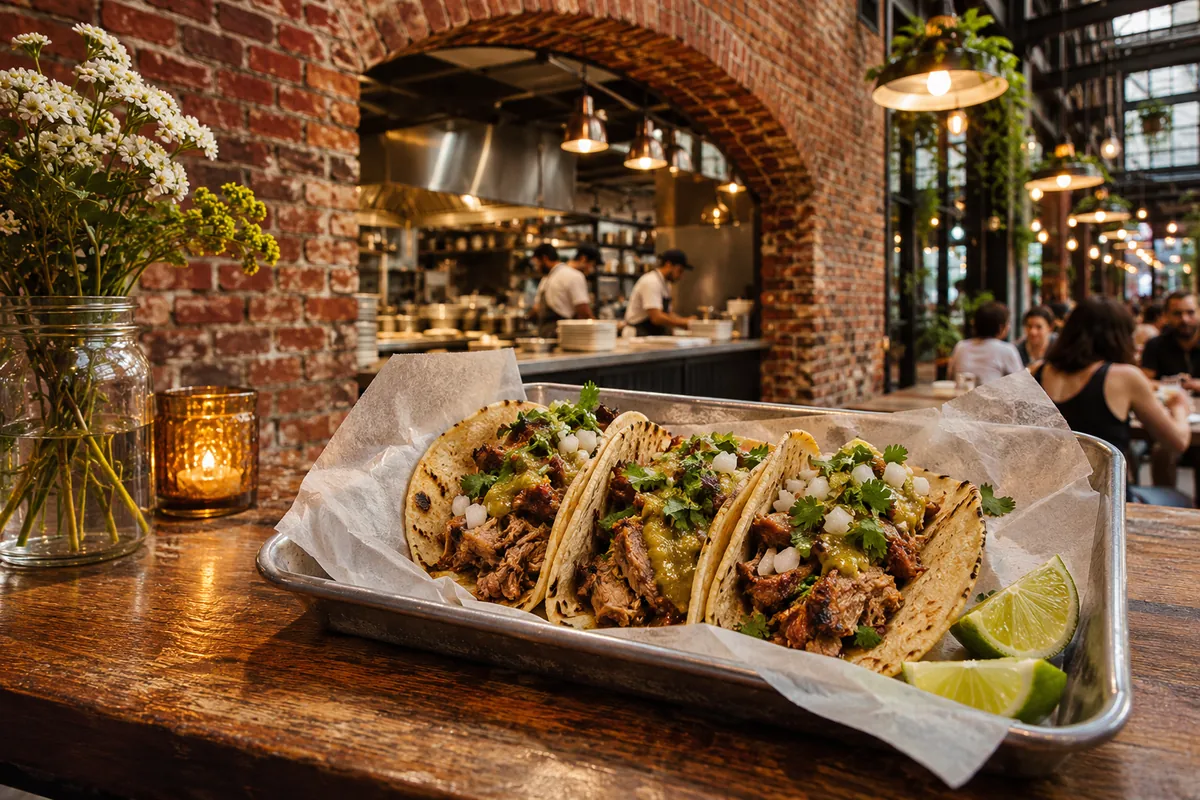
Name the dish, the ingredient you need to ask about, the part of the dish you are asking about and whether you are asking about preparation too. “I am considering the cactus taco. I avoid pork. Could you tell me about the tortilla, any beans and what else comes on this order?” gives the counter a manageable starting point. It also makes clear that the filling alone will not settle the choice.
If several diners have different questions, let each person explain their own needs where possible. One person trying to summarise every preference in the group can accidentally leave out a relevant ingredient. While one diner asks, the others can stand clear of the ordering area and read the displayed menu to settle the simpler parts of their orders.
Use the cashier and cook's time well
Read what is already posted before asking the staff to describe the entire menu. If the note answers the first part of your question, acknowledge it and ask about the remaining uncertainty. The cook then knows what you have understood and can correct an assumption before food is made. Avoid shouting a second question over the person currently ordering.
A busy board can use abbreviations, and an online menu may describe a topping differently from the handwritten counter sign. Point to the exact item you want. If a branch or kitchen has changed a preparation, use the information from that location on the day. A friend may sincerely remember a previous visit and still give you the wrong answer about today's lunch.
Have a backup that meets the same need
Before joining a long line, identify one other counter in the hall where you could ask about a simpler dish. Chelsea Market's directory lets you find named businesses and their locations. A realistic backup reduces the pressure to say yes to an order you have not understood simply because your companions are hungry and time is running out.
Changing counters does not make a food automatically suitable. Repeat the necessary questions about the actual order at the new place. Choose somewhere the staff have time and information to answer clearly. If the group needs to divide up to do this, agree on a place to meet that does not require anyone to carry a meal up and down the entire hall.
Check the handover
If two items look similar but are prepared differently, ask how the correct order is marked when it is handed over. A separate wrapper, a labelled container or a direct handoff can make it easier to keep track. Do not reassign anonymous plates by guessing from colour alone, especially if the difference matters to a diner. Ask before opening the wrappers and mixing the orders on a shared table.
For a takeaway going back to colleagues, write the recipient's name on the bag if the business has not done so. Pass on the staff's actual information about the order rather than adding an assurance of your own. The person who needs the information should receive the answer given at the counter along with the food.
Remember the source, not just the result
Save the restaurant's own menu link and the branch you visited. If the meal worked for you, make a short note of which components you asked about. The note is a good list of questions for next time. Ingredients, suppliers and preparations can change, so check again before ordering on a future visit.
There is no obligation to explain a whole personal history to the queue behind you. The business needs enough information to understand your request; you need enough information to make a choice. An early look at the menu, a well-defined question and an alternative you actually like make that exchange considerably easier on both sides.
Let diners choose how much to taste
If friends want to compare two versions of a dish, ask before taking food from another plate and request a clean sharing utensil where one is available. Somebody may want to keep their meal separate for reasons they have no wish to explain at a crowded table. A shared conversation does not require everybody to taste every item.
A good comparison can be remarkably simple. Two people who each ordered chicken rice can describe the seasoning in the rice, the texture of the chicken or how they used the chilli. Another person can enjoy listening while eating something entirely different. This keeps the focus on what each person noticed, without asking the table to rank every stall or turn a relaxed lunch into a competition.
Two lunch orders with one crucial difference
Imagine two colleagues are ordering tacos at Chelsea Market. One prefers corn tortillas because they like the taste, and the other avoids an ingredient that can appear in a component of the meal. Although both may end up choosing corn, the questions each needs to ask are different. The first person can usually make a straightforward preference known. The second needs to decide whether the whole order, including fillings, garnishes and preparation, works for them.
Write the orders on separate lines. Put the person's name first, followed by the dish and the particular question to ask. If the staff say that the selected filling has run out, get the answer for the replacement before agreeing to it. Remembering that a question was answered about the first combination is not the same as having an answer about the second. Two minutes at the menu board can save both the cook and the collector from having to unpick an incomplete request.
There is no need to read out everybody's dietary preferences to the people standing behind you. Address the staff directly and ask whether there is a better place to discuss a detailed question. If the counter offers a written ingredient reference, make sure it belongs to the menu currently being served. When the person choosing the meal has heard the explanation, let that person decide whether it is enough information for them.
When the cashier offers a substitution
A substitution can change more than the ingredient you first noticed. An alternative bread, an extra side or a replacement sauce might be made or served differently. Restate the proposed order briefly and ask the question about the new configuration while there is still a chance to decline. That is much easier than trying to verify a hurriedly wrapped takeaway after the food has left the premises.
If the diner decides against it, thank the staff for helping you reach that decision. Move to the backup counter or return to the table with a clear message about what the business actually said. A restaurant declining to guess about an ingredient has given you useful information. Pass that uncertainty on accurately instead of turning it into a confident answer for somebody else.
Plan for an order collected by somebody else
Sometimes one person has to fetch everybody's lunch. Give that person your actual question in writing and ask them to contact you if a part of the order changes. Substituting a different sauce or tortilla might be perfectly acceptable to one colleague and a deal-breaker for another. A quick message lets the person who will eat the meal decide whether to proceed.
Where a business offers a written ingredient list, ask the collector to send the current link or a clear photograph with permission. Do not assume that a note on a delivery app describes the configuration of a meal ordered in person. The point of collecting the information is to bring the person choosing lunch into the decision at the time it is made, even if they cannot stand at the counter themselves.
Keep the receipt until the order reaches the correct person. If a question comes up while the group is still inside the hall, the receipt identifies the counter and the exact order much more clearly than a generic takeaway bag.