
Chelsea Market in two meals
Order a taco for lunch, then shop for a small pasta dinner before heading home.
Give the order three parts
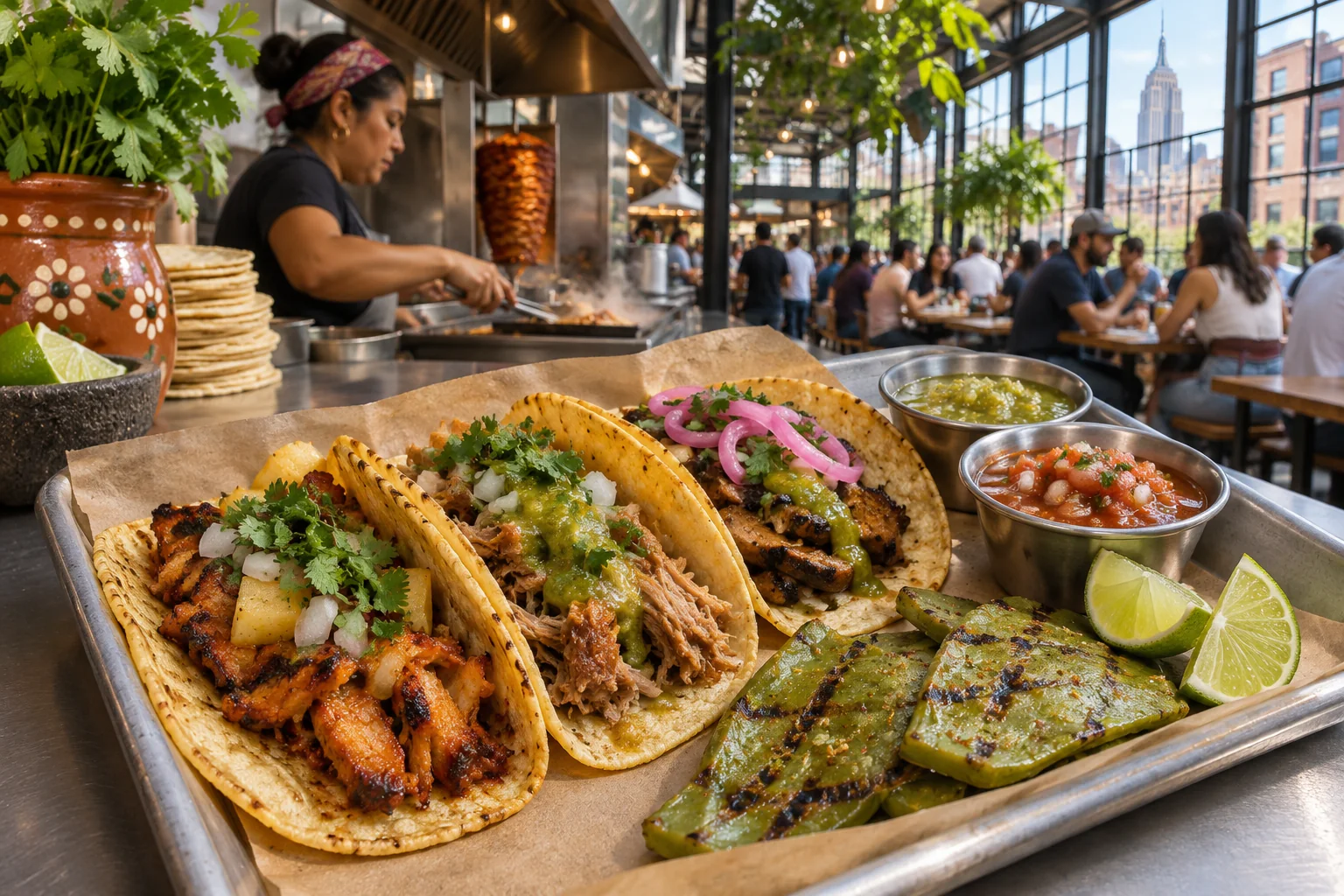
A taco order becomes simple once you can describe the tortilla, filling and finish. At Los Tacos No. 1 the published menu lists corn or flour tortillas and four main fillings for tacos. The names on the board tell you both the ingredient and sometimes the preparation. Decide which of the four interests you before you start debating additions. A filling you actually want is a better starting point than the one you find easiest to pronounce.
Carne asada is grilled steak, pollo asado is grilled chicken, adobada is marinated pork and nopal is cactus. Pointing to the board works perfectly well. If two people are ordering together, say how many of each filling you need and which tortilla goes with each. A quiet run-through before reaching the till can turn a complicated group order into two or three short sentences.
Choose a tortilla for the complete taco
The choice of corn or flour changes how the taco eats. A warm corn tortilla contributes its own flavour. A flour tortilla has a different softness and stretch. If your aim is to compare two fillings, pick the same tortilla for both. If the tortilla is what interests you, try the same filling once on each and pay attention to the first unseasoned bite you can get at the edge.
The restaurant's ingredient note is important for anyone avoiding pork. It says its flour tortillas and beans contain pork lard. That means a grilled cactus filling does not by itself describe the ingredients in the completed order. Ask the staff about your particular combination and the way it is prepared. The printed menu is a starting point for that conversation, especially when an ingredient requirement matters more than personal taste.
Read the little line beneath the heading
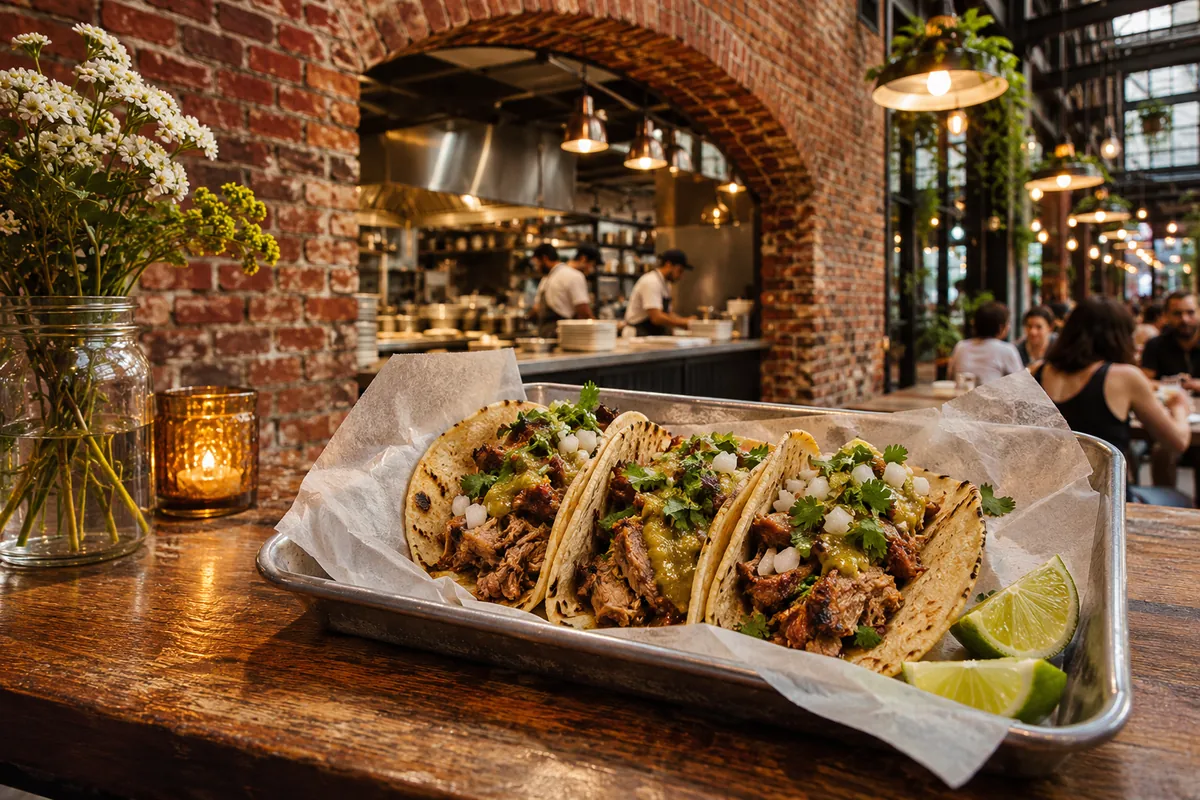
The published taco section describes toppings including onion, coriander, salsa and guacamole. Look for the standard assembly before adding extras in your head. If you would like something left off, ask before the taco is built. The menu also flags dairy in the guacamole served with adobada. People sometimes spot the meat name and overlook the toppings that accompany it.
For diners choosing purely by flavour, try the first bite as the counter serves it. If the balance is already right, there is little reason to add another sauce. If you want more heat or acidity, make a change to the next bite and compare. A taco is small enough that a large addition at the beginning can determine almost the entire experience.
Pick the second item by appetite
A person who wants two different tastes can order two individual tacos. Someone who wants a larger dish might look at the quesadilla or plate section. Read what comes with the plate. On the published menu, the nopal plate includes beans and cheese. Those additions change both the size of the meal and the set of ingredients you need to consider.
For two travellers planning a bakery stop as well, one taco each is a sensible first order. If one of you wants another, the second round can be personal rather than an automatic repeat of everything. If the line has grown by the time you finish, you still have a practical choice between waiting again and moving on. The cost of rejoining a queue is time, which belongs in the lunch plan alongside appetite and money.
Keep a tasting order clear
Suppose two diners each want to compare the steak and the cactus. Four tacos on a tray can look remarkably similar after the toppings go on. Ask how the kitchen identifies the different fillings and keep them in the order indicated at collection. Tell your companion immediately which is which. Cutting one taco from each pair into shares can be awkward, so agree in advance whether each person wants their own full taco of each type.
If you are comparing flavours, alternate bites while the tortillas are still warm. Notice how the grilled ingredient works with the salsa and onion. After two or three bites you might discover that the tortilla accounts for more of your preference than the filling. That is useful information for another visit and an excellent reason to avoid ordering a large round of identical food before you have eaten the first one.
Fit the counter into a Chelsea visit
Chelsea Market's visitor page covers the building. Los Tacos No. 1 has a separate page for the specific Chelsea counter. Look at the latter when planning a visit around a particular lunch hour. The building can be accessible at a time when individual vendors operate on different schedules. A visit centred on tacos benefits from checking the business that will actually cook them.
If you arrive before the counter is serving, decide whether to wait at the market or change the order of your errands. A grocery purchase that can travel easily may fit before lunch. Chilled purchases for a trip home are better made near departure. This gives the hot taco a clear place in the outing, with neither a heavy bag nor a melting purchase dictating how quickly you have to eat.
Write down your own order
Keep the combination in plain language. For example, a note might say grilled cactus on corn, standard toppings, one taco before the bakery. The next time you reach the counter you can order confidently or change just one part to see what happens. A photograph of the finished taco alone rarely tells you which tortilla or filling made it memorable.
Before recommending the same order to someone else, mention the restaurant's ingredient notes and the fact that menus can change. Send the current official menu and location page alongside your favourite combination. A friend who wants the flavour you liked and has a different dietary preference can then choose something that works for their own lunch.
If the group wants different formats
Keep a small note of which person ordered a taco, a quesadilla or a plate before handing out the food. The same filling can appear in all three places on the menu, so the word steak may describe several orders on the same receipt. Matching each diner to the format first and the filling second helps everyone get the meal they chose while the kitchen's work is still at its best.
Two meals on opposite sides of an afternoon
Lunch from the grill solves the immediate appetite. A shopping stop before you leave can solve dinner as well. Set a fresh budget for the grocery part of the visit and first check how long the food will travel. A dry-goods supper suits a very different journey from one with fresh ingredients.
Know which entrance serves the shopping trip
Chelsea Market lists its vendors in different parts of the building. Buon’Italia is associated with the Chelsea Local area and a 15th Street entrance in the market directory. Use that entry to orient yourself, especially if you have already spent lunch on the main concourse. A description such as downstairs near the groceries is a poor meeting plan for two people entering from different streets.
Before descending into the shopping part of the visit, settle what you want to cook. A one-pan pasta supper for two is quite different from a bag of dry goods for a kitchen at home. If you only have a small saucepan in a rental, choose a pasta shape that can fit comfortably and a sauce you can prepare without a second large pot. The shop's current shelves will determine the exact choices.
Start with the shape
Choose pasta by the way you intend to eat it. A short shape is often easy to stir and serve in a small kitchen, while a long strand can be appealing for a simple sauce that coats each piece. Read the cooking instructions on the exact package. Two similar-looking shapes made by different producers can have different suggested times, and the amount of water your saucepan holds will affect how convenient the cooking feels.
If deciding between two packets, read the weight as well as the price. A bigger packet can suit several meals and still be a poor choice for the last evening of a holiday. Work backwards from the number of diners and the size of their appetites. Purchase the amount that makes sense for the whole stay and put any unopened remainder somewhere it can travel without being crushed.
Choose a sauce that fits the kitchen
An appealing jar on a shelf still needs a way into dinner. Check whether it is intended as a ready sauce, a concentrated ingredient or something that needs cooking. Read the storage instructions for any remainder. A small jar you can finish in one meal may be more economical than a large one that sits half-used in a hotel fridge you leave the following morning.
Consider what the sauce brings with it. A salty ingredient may need little extra seasoning. A thick sauce may be easier to loosen with a spoonful of pasta water. A bright, simple tomato base can stand alone with a little oil if that is what the room has. Buy one ingredient that improves the meal rather than five extras chosen because every jar looks interesting.
Shop in the order you will pack
Buy sturdy pantry items before delicate bread. Keep glass away from the corner of a bag that will knock against subway seats. Ask for packaging if necessary and keep jars upright. If the bag already contains a pastry from the concourse, move it to the top before grocery items are added. A single heavy jar can turn a carefully chosen bakery stop into crumbs by the next crossing.
For a commuter heading home directly, fresh items may be practical. For somebody with an afternoon meeting, the dry pasta and a sealed shelf-stable sauce are easier to manage. Place items that need refrigeration according to their labels and your ability to get them home. A food shopping trip works best when the journey has been treated as part of the recipe.
Visitor sources
- Chelsea Market directions and holidays
- Los Tacos No. 1 menu and ingredients
- Chelsea taco counter opening times
- Chelsea Market food directory