
Find a market stall again without retracing the whole market
A small paper slip, a map reference and a reliable meeting point can rescue the second half of a market visit.
Read the address inside the address
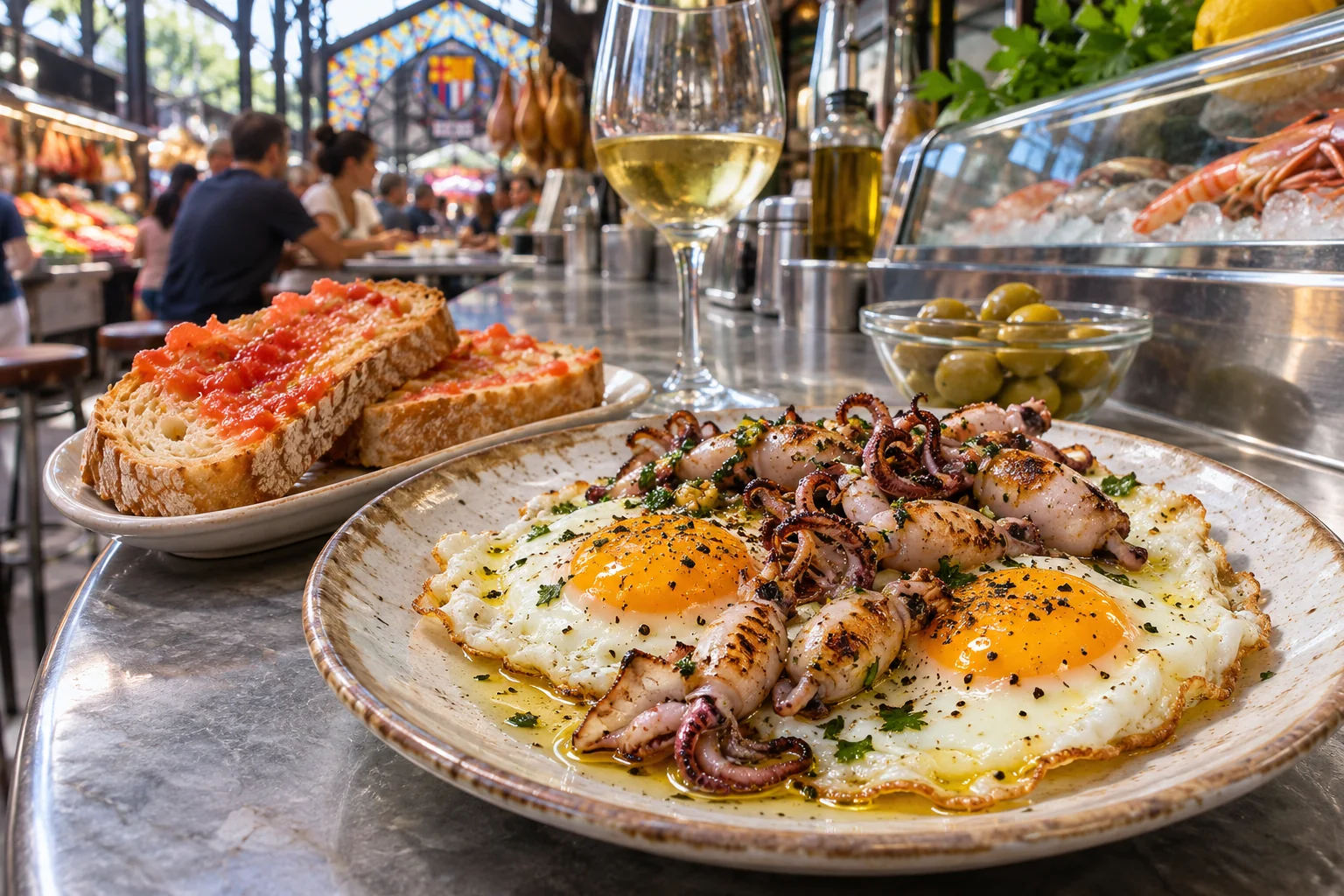
Street addresses take you to the building. Finding a particular cook inside can require a completely different address. La Boqueria lists El Quim as stand 582. Someone who knows only the street and the restaurant name can spend a surprising part of their visit walking past similar counters. Someone holding the number can look it up on a stand map or show it to the information point.
Before setting out, save three things together: the market address, the stand number or trader name, and the entrance from which you expect to approach. Ask a companion to keep the same note. If both people are navigating from different screen shots, check that the screens show the same market. Search engines and map applications can surface a street entrance, a delivery address or an unrelated establishment with a similar name.
Choose landmarks that will still be there
The best landmark has a name that appears in print. A signed entrance, information desk, numbered stand or named hall is far easier to describe than a crowd or a table with bright flowers. Flowers move, and several adjacent stands may sell the same sort of fruit. The landmark must also be visible from the direction in which the other person will approach.
Write down one turn in plain language. “Enter here, find the stand number, then look across the aisle” is preferable to a complicated chain of observations that depend on which way someone is facing. If you have already passed a vendor you want to revisit, check the number on the stand while you are there. A blurry picture of the food rarely tells you where it was sold.
Use the map to narrow the search
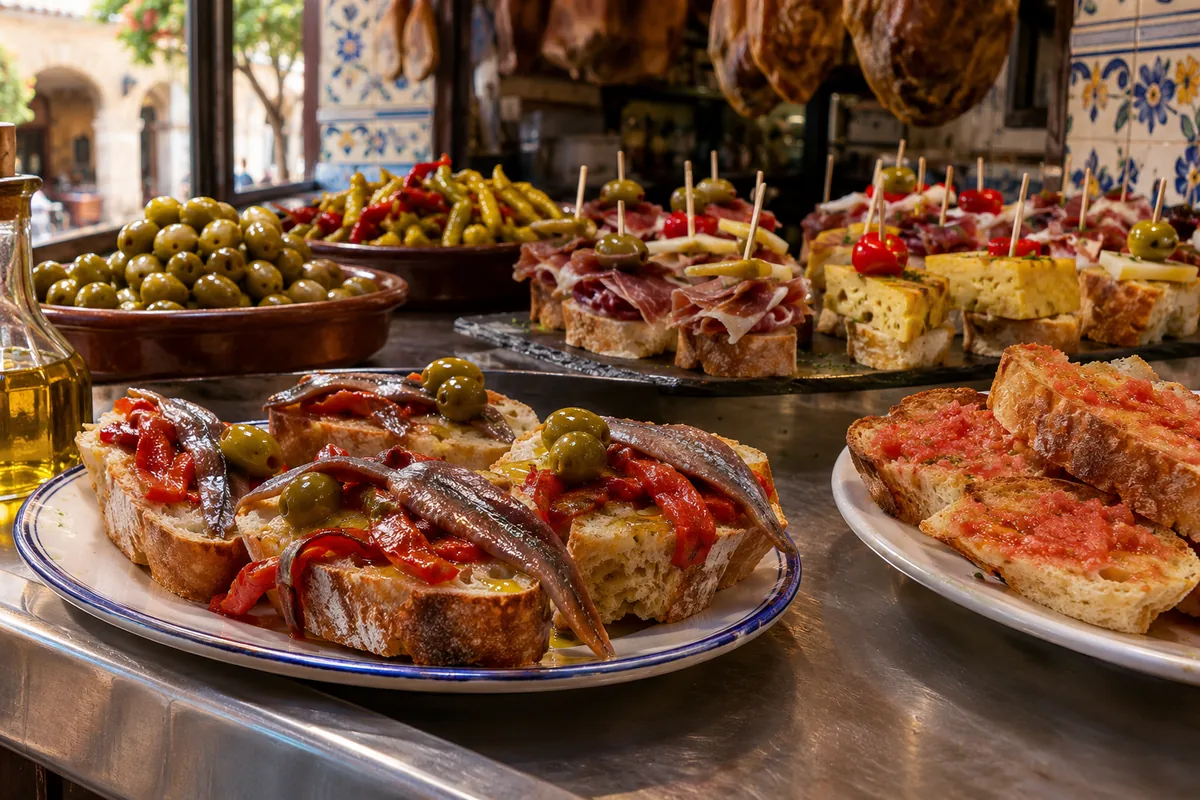
A market map can answer a question even if your particular trader is temporarily absent. At La Boqueria you can look by name or number, and the directory groups stalls selling different things. If you want olives but have no particular seller in mind, search the category first. Scanning the whole market for a remembered colour of sign spends time you could use comparing what is actually on sale.
Treat the result as a starting point for looking. A listing tells you where the stall belongs. It does not promise that the counter is open or that a specific dish is available that afternoon. When you reach the location, read the displayed name and look for today's offerings. If the vendor is away, return to the category map and look for another option within a short walk.
Arrange a meeting that survives a flat battery
Suppose a group of four splits for twenty minutes. Choose a time, a numbered stand and a direction away from the serving area. Nobody should have to stand between the cook and people waiting to order. Agree on what happens if somebody is a few minutes late. The simplest arrangement is often for the group to remain at the same point until one person has checked the last agreed stop.
For a child or a visitor who does not use the local language, put the market name and meeting point on paper. A group leader should consider whether splitting up suits everyone in the first place. A busy hall with loud counters can make phone calls difficult, and a visitor carrying bags or using a mobility aid may reasonably want another person to stay with them throughout the outing.
Leave a short trail for tomorrow
A shopping note should say what you liked, where it was and why it would be worth returning. “Olive stand near the entrance” may mean nothing next week. The market name, stall number, product name and a personal detail such as “ask for the small tub” will survive a change in your memory of the colours and signs.
If the seller gives you a receipt, keep it until the visit is over. It may identify the business more clearly than a photograph. La Boqueria's service information also explains how a purchase receipt relates to using the customer toilets. Before sharing a photograph of a receipt, check that it contains no payment or other personal details. A handwritten shop name and number are usually enough to help a friend find a counter.
What to do when the saved location is wrong
Start by checking the date and spelling on your note. Next, use the official directory from the market itself and try the trader name without a food description. A listing sometimes uses the shop name even though visitors talk about the stall by the dish. If a stand has moved or changed hands, ask the market information point using the exact name you saved.
Set a limit to the search if lunch is the aim. After one check of the directory and one conversation with someone who can help, choose an open alternative. If the shop itself was the destination, use your remaining time to discover whether it trades on another day or sells from a different branch. Separate the two questions, where to eat now and how to find the original seller another time, and neither has to spoil the afternoon.
Pick a counter to suit the moment
Dining alone can make a market visit wonderfully flexible. You can take the single stool that becomes available, order the dish you came to try and set your own pace. The same stool can be an uncomfortable choice if you are carrying a large bag, need a chair with a back or expect to work while you eat. Decide what the meal needs to give you before joining the line.
At La Boqueria, El Quim's listing gives you a concrete starting point: a named counter with a stand number and a separate menu to consult. Pick another option from the market directory as well. With a fallback that suits you, the first stop becomes a genuine choice rather than the only possible answer to a morning spent crossing the city.
Look at the exchange between customer and cook
Pause to one side and watch how the counter handles new arrivals. Somebody may direct people to stools, take names or ask customers to wait in a particular place. An empty stool could belong to a customer who has momentarily stepped away. Catch the staff's attention and ask about a seat for one. Pointing to the stool and waiting for an answer is usually easier than guessing.
Once invited to sit, check where your bag can go. Keeping it on a neighbouring seat can prevent another diner from joining the counter. Placing it in the narrow space behind you may interfere with service. If there is nowhere sensible to put it, decide whether you want a different seat before the order has gone in. A restful lunch begins with being able to sit without worrying about your belongings.
A useful message to send from inside
Give your companion one complete set of directions. Write the market and stand number first, followed by the entrance and the meeting time. Finish with a note about where you will stand so you leave the queue clear. If the other person is already inside a different section, ask them to reply with a nearby sign before trying to explain a route.
A shared navigation message is also a small courtesy to vendors. When a whole group knows where to go, fewer people need to stop in front of a working counter to open a map. That leaves the stall easier to approach for the next customer and gives everyone more time to think about what to eat.
Use the same stand as a reference for two errands
Say one person wants breakfast at El Quim and another is buying olives for the train home. Save stand 582 as the breakfast reference and use the official stand map to choose the olive seller separately. Breakfast and shopping can then happen in either order. Nobody needs to return to the entrance and begin the whole search again simply because a counter has no free stool yet.
If you do separate, agree on what counts as finding the stall. The first person might text that the counter is open, that it is serving the desired dish and that there are two seats. Those are three different pieces of information. A message that says only 'found it' can send somebody racing back with a shopping bag even though there is nowhere for them to sit.
When both errands are finished, use the address of the later stop as the starting point for your walk out. Keep jars upright, gather the two bags into one person's hands if that makes reading the route easier, and ask which exit leads towards your next street. The purpose of a stand number is to save effort during an actual visit. Used well, it can help with shopping, seating and leaving, all on the same morning.
Make the eventual trip home easy
If you buy something from the rediscovered stall, ask the trader which exit is most convenient for your next stop. The way you came in may have made sense for meeting the group but be a poor choice when leaving for a bus or carrying bags. Save the answer with your stand note. A good route through a market can start at one entrance, pass a named counter and end at a different exit without sending everyone back through the busiest aisle twice.
A well-kept note can also help when a friend arrives by another entrance. Give them the stand number first and ask which sign they see, instead of assuming they are walking the same route you took.