
A rainy lunch and a cheese shop at Queen Vic
Eat under cover first, then choose cheese and accompaniments for the next meal.
Change the plan before you buy the picnic
Rain can leave you with cheese in one hand, bread in the other and nowhere appealing to open either package. If the sky changes before you have bought anything, go to Queen’s Food Hall first. A hot lunch there can become the main event. The shopping halls can wait until you know how much time and appetite remain.
The market distinguishes Queen’s Food Hall from the Dairy Produce Hall. Both are useful for a meal but they solve different problems. The Dairy Produce Hall is where you might build lunch from ingredients and prepared items to carry away. Queen’s Food Hall brings together several kitchens and space to eat. Tell companions the full name when arranging to meet, especially if different people have entered from different streets.
Read three menus before joining one queue
The hall's operator lists Sri Lankan street food at Drums, Malaysian and Cantonese cooking at Canton Malay and Spanish food at El Rincon. These names give a group a short list to investigate. Walk past the signs with both hands free. Look for what is actually on each board, whether orders are collected at the counter and how the dish can be carried to a table.
A person who wants a small snack may be happy with a portion to share, while another wants a complete hot meal. At each counter, ask how many pieces or what accompaniments come with the order you are considering. A plate served with rice may already be a whole lunch. A snack chosen for its attractive price may need another dish before it feeds a hungry walker.
Agree on the table message
Wet coats, umbrellas and shopping bags occupy more space than people expect. Pick a table that the group can approach without blocking a neighbouring chair. Fold umbrellas and put bags where feet and trays can pass. If somebody needs more room to move, ask them where they would prefer to sit. The first available corner is often the least convenient one for the last person to arrive.
Send each diner the name of a nearby counter and a simple description of your table. A message saying you are somewhere in the food hall tells them very little once every chair is occupied. If the group is arriving separately, ask the last person to come directly to the table before they join a food queue. They can drop a wet jacket and decide what to order once they know what the others have chosen.
Match collection times
A kitchen preparing a bowl to order can take a different length of time from a counter handing over a ready item. Ask the person with the longest wait to order first. The person collecting drinks can wait until the mains are moving. That way the drinks arrive with the food and the diner who has placed a hot order can stay within earshot of their call.
For a group of three, one person can look after the bags while the first two order. Then swap. If you plan to share a hot dish, keep its first portion small enough to distribute while the food is still fresh. People do not have to wait for an entire table of dishes before trying the one they came for. Compare the first bite, then let each person return to their own meal.
Shop for the weather you have now
When lunch is over, decide whether the original picnic still has a purpose. Hard fruit and bread may suit tomorrow morning in your accommodation. Chilled purchases should suit the time you will actually get back. If the afternoon now includes an indoor museum or a long tram ride, choose quantities and storage arrangements accordingly. The market will remain a better memory if the return trip is comfortable.
Before walking to the next hall, check the market's route information for your chosen entrance. Queen Victoria Market notes slopes and different access points. A path that looks shortest on a screen may take a group past an inconvenient change in level. For a short visit in wet weather, spending longer in one hall and buying less can be a sensible, enjoyable choice.
Keep a fallback for each diner
Write down the second choice from the menu walk. A closed stall or unexpected wait can otherwise force a hungry person to start reading every sign again. If one person misses the dish they wanted, use their fallback and add the original stall to a future market plan. A seller may keep different hours from the building that houses the counter.
For another visit, look at the hall's trader list and the market's current trading calendar separately. A special event held elsewhere on the site can have a different timetable and a different selection. The wet-weather plan works best as a daytime market meal, with the live boards and the staff at each counter deciding what can actually be ordered.
A simple lunch agreement for families
Give each diner one choice they control. A child might choose the first place to look for lunch, an adult might choose a table close to the bags, and a person with a train to catch might set the departure time. If these decisions are made before anyone queues, it becomes much easier to change a particular dish without renegotiating the entire outing.
Suppose the first diner wants something ready now, and the next wants to watch a dish being made. Allow the first diner to eat while the other order cooks. The table can stay together even if the food arrives separately. If sharing matters more than eating at exactly the same moment, save just a small taste for the person who is still waiting.
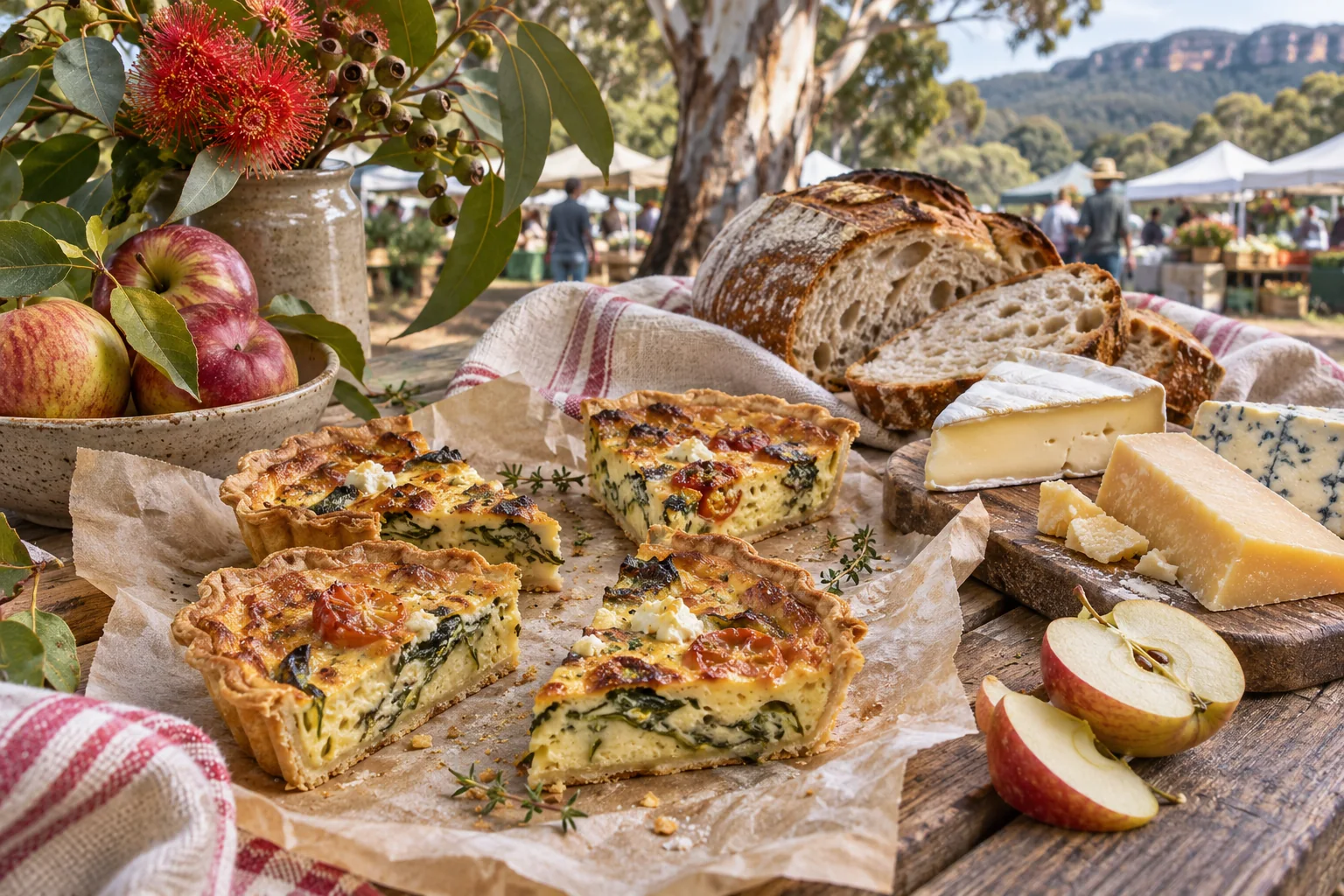
Keep one dry corner of the table for the phone or paper map and another for food. Fold shopping bags closed when they are no longer needed. When it is time to leave, check under the seats for umbrellas and extra packets. A rainy-day market lunch can be as satisfying as the abandoned picnic and involve considerably fewer people trying to eat a piece of quiche from a damp napkin.
If somebody still wants the original picnic, suggest collecting one favourite item on the way out and enjoying it at home later that day.
A dinner worth carrying home
A cancelled picnic can become two good meals. With lunch settled indoors, there is time to look at the Dairy Produce Hall with tonight’s table in mind. Take a shorter route if the rain is getting heavier and work backwards from the meal that will actually be eaten at home.
Decide whether cheese is supper
Two people finishing dinner with a small cheese plate need a different shopping bag from two people planning to eat cheese, bread and fruit as the entire meal. Before leaving for the market, decide which one you are buying. Note whether the kitchen has a suitable knife, a board and space in the fridge. These practical details determine how ambitious the purchase needs to be.
The market lists Curds and Whey at DH 12–13. Use the shop number to find the counter in the Dairy Produce Hall. Then work from what the cheesemonger has that day. Begin with one piece you know somebody wants to eat. If the second diner prefers a very different style, buy two small pieces. A third piece adds value only if the first two are small enough to leave room for it.
Describe the texture in ordinary words
You do not need cheese vocabulary to ask for help. Say whether you would like something you can spread, something that slices neatly into a sandwich or something crumbly enough to scatter over the leftover salad. Those descriptions tell the seller how the cheese is going to be used. If a guest has a preference about the type of milk or ingredients, ask about the specific cheese before it is cut.
Pick a contrast the diners can recognise. A mild firm piece and a stronger soft one can make a more interesting table than two large pieces bought purely because their names are familiar. If you buy a cheese with a strong aroma, ask the shop how to wrap and store it until serving. Knowing which wrapper belongs to which cheese is useful once the original display is out of sight.
Buy by the piece you can afford
Read the selling unit on a label before comparing two cheeses. If one is priced by weight and another is a whole wrapped piece, compare what you would actually pay for your chosen amount. Ask for the approximate total. A seller can usually suggest what a budget will buy more easily than a shopper can guess the weight of a wedge from a display.
If you are buying for a pair with different appetites, tell the seller which cheese needs to feed one person and which both will share. Two equal pieces are easy to request and often the wrong quantities. On the day after the meal it is generally the second favourite piece that still needs a use. Buying uneven portions deliberately can make a more satisfying board.
When the cheeseboard becomes a gift
Ask the person receiving it whether they want something to open at once or something to put away for another day. That decision changes what you should bring. A ripe cheese selected for an immediate meal can be inconvenient for a household already halfway through cooking supper. A small wrapped piece with a clear name, serving suggestion and storage instructions is easier to fit into the week.
For a host you do not know well, describe what you would like to spend to the cheesemonger and ask which choice is easiest to portion. You can add a small loaf separately so the wrapping stays tidy. Give the price information discreetly if the host wants to find the seller later, perhaps by sharing the trader listing instead of the receipt.
Include one line about how you imagined eating it. A suggestion such as cutting a few slices for bread and saving the rest for a vegetable dish gives the host an easy starting point. A gift works well when it answers the everyday question of what to eat next as well as looking attractive when the paper is opened.
A second gift can then follow the host's own preference instead of repeating the first purchase by habit.
Visitor sources
- Curds and Whey’s market listing
- Queen’s Food Hall traders and market days
- Queen Victoria Market accessibility