How to compare two pizza fritta fillings while the crust is crisp
A two-person tasting plan for deciding between sizes, sharing a hot order and remembering which filling you preferred.
Name the question before choosing the pizzas
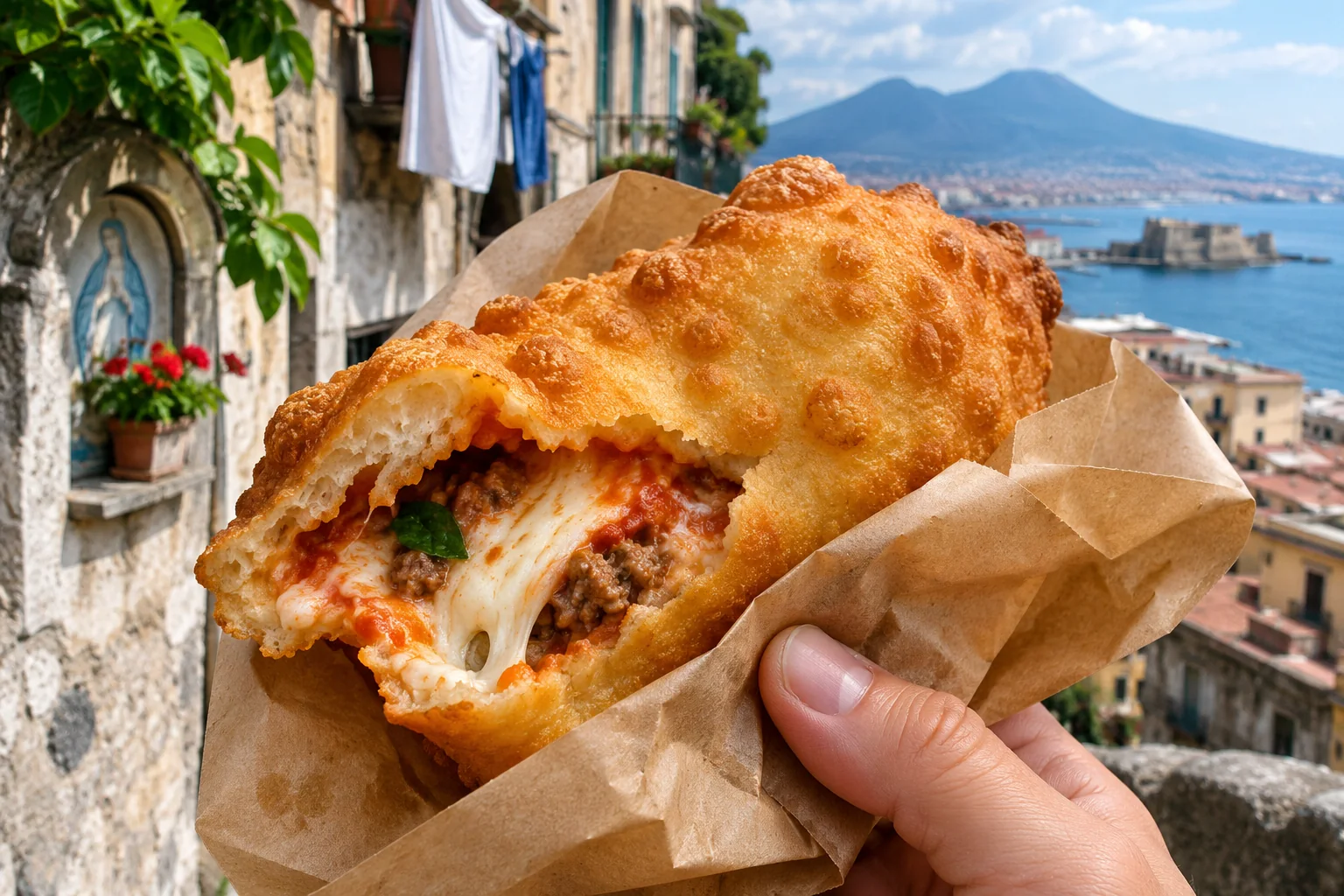
If both diners only want lunch, each can choose the filling they like and enjoy it. A comparison is a different kind of meal. You might want to understand how a creamy filling changes the feel of the fried dough, or how a vegetable filling differs from a richer combination. Pick one question rather than ordering two unrelated items and trying to remember everything at once.
Masardona's Case Nuove menu is a useful anchor because the branch publishes its preparations. Read the descriptions of the fillings before talking about which option sounds most famous. A word you don't recognise may name a cured ingredient, a cheese or a vegetable preparation. Ask what the actual pizza contains if that ingredient matters to either diner, then decide whether a comparison still suits both people.
Decide which size makes room for a second taste
If the menu offers the smaller battilocchio alongside a larger fried pizza, ask how the two compare on the day. The smaller size may make it possible for two diners to sample two fillings without making a large lunch out of the first order. Compare the portion with your plans for the rest of the afternoon. Someone who has already stopped for a late breakfast will want a different quantity from two very hungry people.
Ask about preparation and waiting time before placing the order. If each pizza is cooked to order and the counter can take a second request later, buying in rounds has a clear advantage. If the kitchen is near closing, the queue is substantial or the staff would prefer to take the whole order at once, explain what you are trying to do and follow the arrangement the kitchen can accommodate.
Compare like with like where it matters
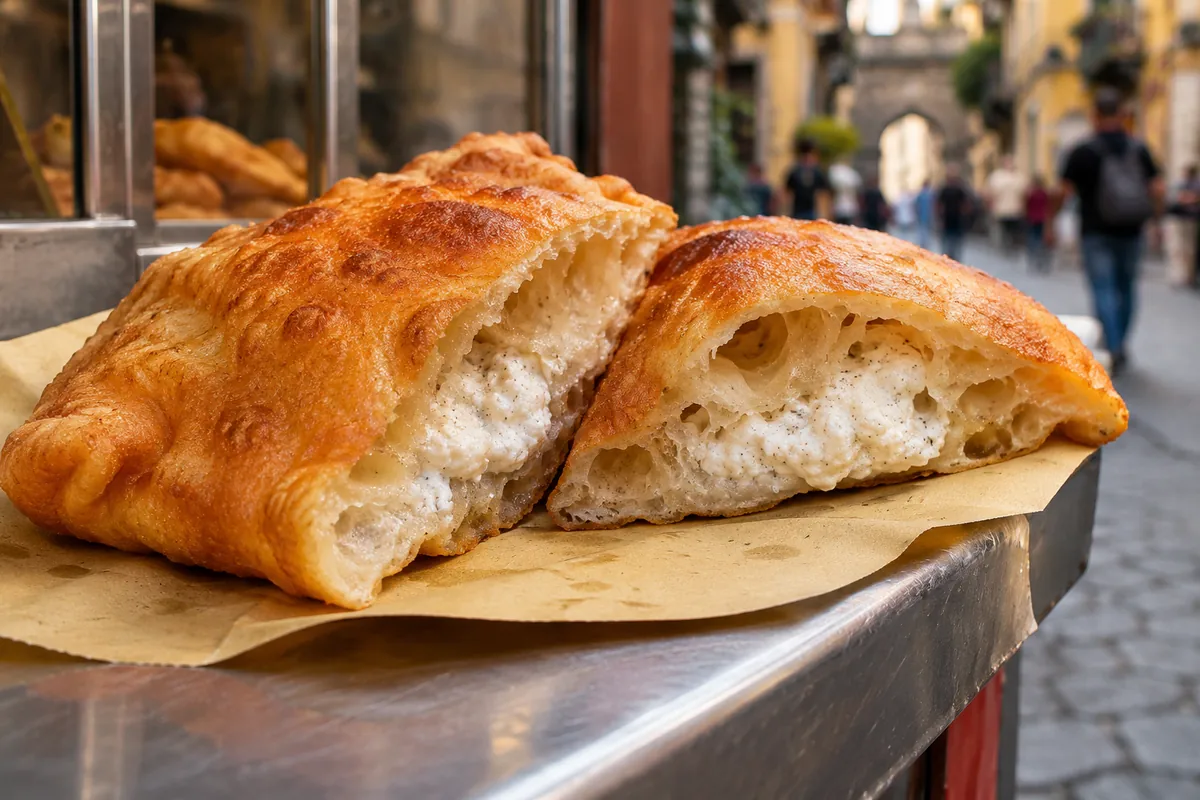
Try to keep the size similar across the two orders if you want to learn about the filling itself. A larger pizza and a smaller one may cool at different rates or contain noticeably different proportions of dough and filling. If you do select different sizes, keep that distinction in mind when deciding why one bite felt richer or crisper than the other.
The menu description gives you a hypothesis. For example, a filling based on cheese and a vegetable combination may put different demands on the dough as you eat. Taste each together with some crust before deciding. A first bite from an empty corner and a second bite from the centre can tell you more about where you bit than about the two recipes. Aim for a bite that includes both dough and filling.
Make the handoff tidy
Ask for another sheet of paper or a plate if the counter offers one and you hope to divide the pizza. Use the eating arrangements the shop provides. Trying to pass a very hot, soft parcel back and forth while standing in the path of another order can spoil the meal and create a mess for the cook to manage.
Give the first pizza time to cool enough to handle, and let each person decide when to taste. If one person naturally prefers very hot food while the other waits, mention that before comparing impressions. A filling will feel different as it cools. It helps to distinguish a preference about temperature from a preference about seasoning, richness or the texture of the crust.
Use a small vocabulary well
Three questions are plenty. How does the dough feel at the edge? Which ingredient is easiest to identify in the filling? Would you want another bite of precisely this combination? One diner might love a rich centre but want more crisp edge, while the other might prefer the second pizza because each mouthful seems more balanced to them. Those two answers can both be accurate.
Avoid assigning a score while you are still eating the first round. A number can lead everyone into defending an opinion before the comparison is complete. A short description such as “creamy centre, peppery finish, good with the crisp corner” is easier to remember and easier for a dining companion to disagree with constructively. Write down the menu name too, especially if more than one preparation includes the same cheese.
Treat the second queue as a decision
When the first order is finished, look at the present queue and your appetite again. If there is ample time and both people still want to taste a second filling, carry on. If only one person wants more, they can take the next portion while the other simply tastes a bite with permission. A comparison need not turn into an obligation to eat equal amounts.
If neither of you is hungry, the tasting has answered something useful about size. Save the second menu name for another visit. In a city with several food stops on your list, it can be a better use of an afternoon to enjoy one fried pizza properly than to buy another solely for the sake of completing a plan made on an empty stomach.
Pass on a recommendation someone else can use
Name the branch, the size and the filling when you describe the meal to a friend. Explain whether your party shared one pizza or each ate a whole one. A recommendation based on half a smaller order says something different about the portion from a recommendation made after a full-size lunch. Link the current branch menu so a visitor can check what is available when they travel.
The most useful conclusion may be personal. One diner might return for a favourite filling, while the other might choose a different size to get the ratio of dough they liked best. Leave room in your account for both experiences. A well-described order helps the next person build the meal they want without pretending that everyone who walks through the door is going to have the same appetite.
Run a small side-by-side comparison at the table
If the kitchen can serve both small orders together and you have a suitable place to sit, try a different approach from ordering in rounds. Put each portion on its own paper and label the papers with the two menu names before anyone forgets which is which. Share a piece from each while they are at roughly the same stage of cooling. This method is particularly good for diners who want to compare the fillings directly and do not mind the second piece losing some heat while they eat the first.
Take the first two bites without switching back and forth between the opinions of your companions. Notice whether the filling is evenly spread, whether you enjoy the dough near the fold and which flavour is still noticeable once you swallow. Only then ask what the other person thought. That short pause often produces two genuinely different observations. Hearing the most confident diner announce a favourite first can make everyone else search for the exact same flavour.
If there is little difference, that is a useful answer too. For some diners the draw is the fried dough, and the distinction between two similar cheese fillings may matter much less than whether the order reaches the table promptly. Next time those diners might spend their attention on timing and size. Someone fascinated by the difference in seasoning might instead try the same size again with a third filling on another visit.
What to do when only one person wants the classic
Suppose one friend wants a traditional preparation containing an ingredient that the other person avoids. Start by checking the restaurant's own descriptions and asking the staff about the specific order. The pair can still have lunch together without agreeing to taste both fillings. If they order individually, request separate papers or plates and keep the orders distinct throughout the meal. This preserves a pleasant shared outing without putting anybody in the position of having to explain a personal preference repeatedly.
If both diners are comfortable comparing one of the choices, share only that one. The person enjoying the other filling can describe its texture in their own words. What they notice about the crust, portion size and speed of service can still inform the next order even when the flavours themselves cannot be compared. Make clear in any later recommendation which item you tasted and which your companion described.
A small practical courtesy at the end is to give each diner the menu name of their own choice. Save a link to the branch page and note whether the order was a small battilocchio or a larger portion. That makes a repeat order possible without having to reconstruct a whole afternoon from a photograph of two very similar pieces of golden dough.
For friends meeting at different times, send the branch name and the menu link before anyone sets off. The late arrival can make an independent choice from the dishes actually on offer, and the first pair can eat their pizza at the temperature they came for.
Take a picture that explains the choice
If photography is welcome, include the menu name in your notes and take the picture once the pizza has been opened for eating. A photograph of the crust alone may give little clue which filling you ordered. One image of the food, paired with the written name and the size, is enough to reconstruct the comparison when planning your next lunch.
A friend who is choosing between the same two fillings may find your notes about portion size more valuable than the photograph. Pair the image with the detail you wished somebody had told you before you first joined the queue.